
Seasonal Preparation: Winterizing Your Investment Property in Colorado
Understanding the Importance of Winterization
As the crisp Colorado air begins to chill, it's crucial for property owners to start thinking about winterizing their investment properties. Winterizing isn't just about keeping the property comfortable for tenants; it's also about protecting your investment from costly damages. Ensuring your property is well-prepared for the harsh winter months can save you from unexpected repairs and maintain the property's value.
Winter storms and freezing temperatures can wreak havoc on unprepared properties. Pipes can freeze, roofs can leak, and heating systems can fail. By taking proactive steps, you can mitigate these risks and ensure that your property is safe and secure throughout the season.
Inspecting and Maintaining HVAC Systems
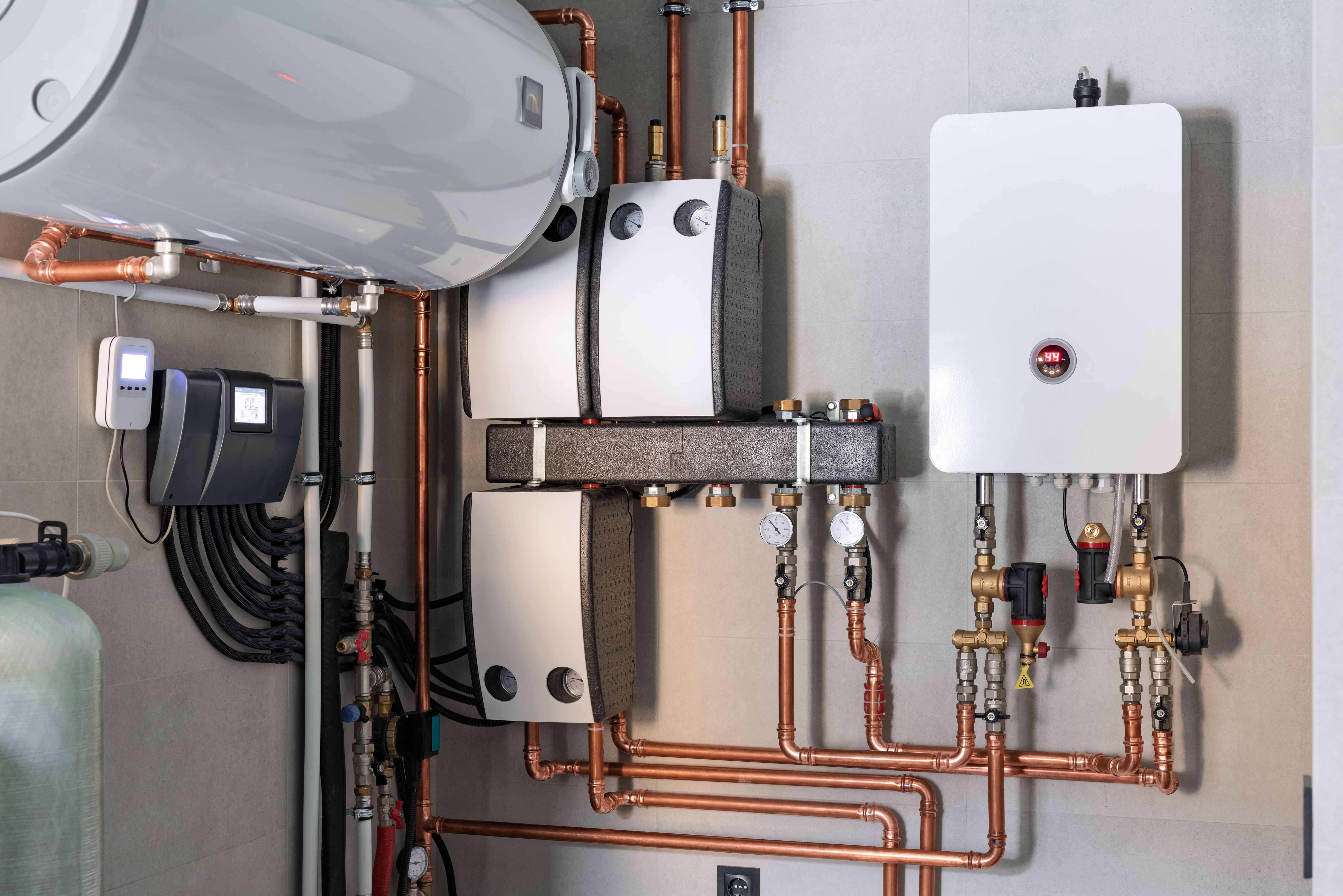
The heating system is the heart of your property's winter defense. Before temperatures drop, have a professional inspect and service your HVAC system. This includes checking for leaks, changing filters, and ensuring that the thermostat is working correctly. A well-maintained system runs more efficiently and reduces energy costs, keeping tenants happy and warm.
If your property has a fireplace or wood stove, ensure they are clean and in good working condition. Chimneys should be inspected for blockages and cleaned to prevent fire hazards. This not only ensures functionality but also contributes to tenant safety.
Protecting Pipes from Freezing
Frozen pipes can lead to costly water damage. To prevent this, insulate exposed pipes in unheated areas like basements or crawl spaces. You can use foam pipe insulation or heat tape to provide extra warmth and protection. It's also wise to seal any cracks in walls or foundations that could allow cold air to reach pipes.
Encourage tenants to keep the heat on, even when they're away, and to leave cabinet doors open under sinks to allow warm air to circulate around the plumbing. These simple steps can prevent the inconvenience and expense of burst pipes.
Roof and Gutter Maintenance
A well-maintained roof and gutter system can prevent ice dams, which occur when melting snow refreezes at the roof's edge. This can lead to water backing up and leaking into the home. Ensure that gutters are clean and free of debris, allowing for proper drainage.
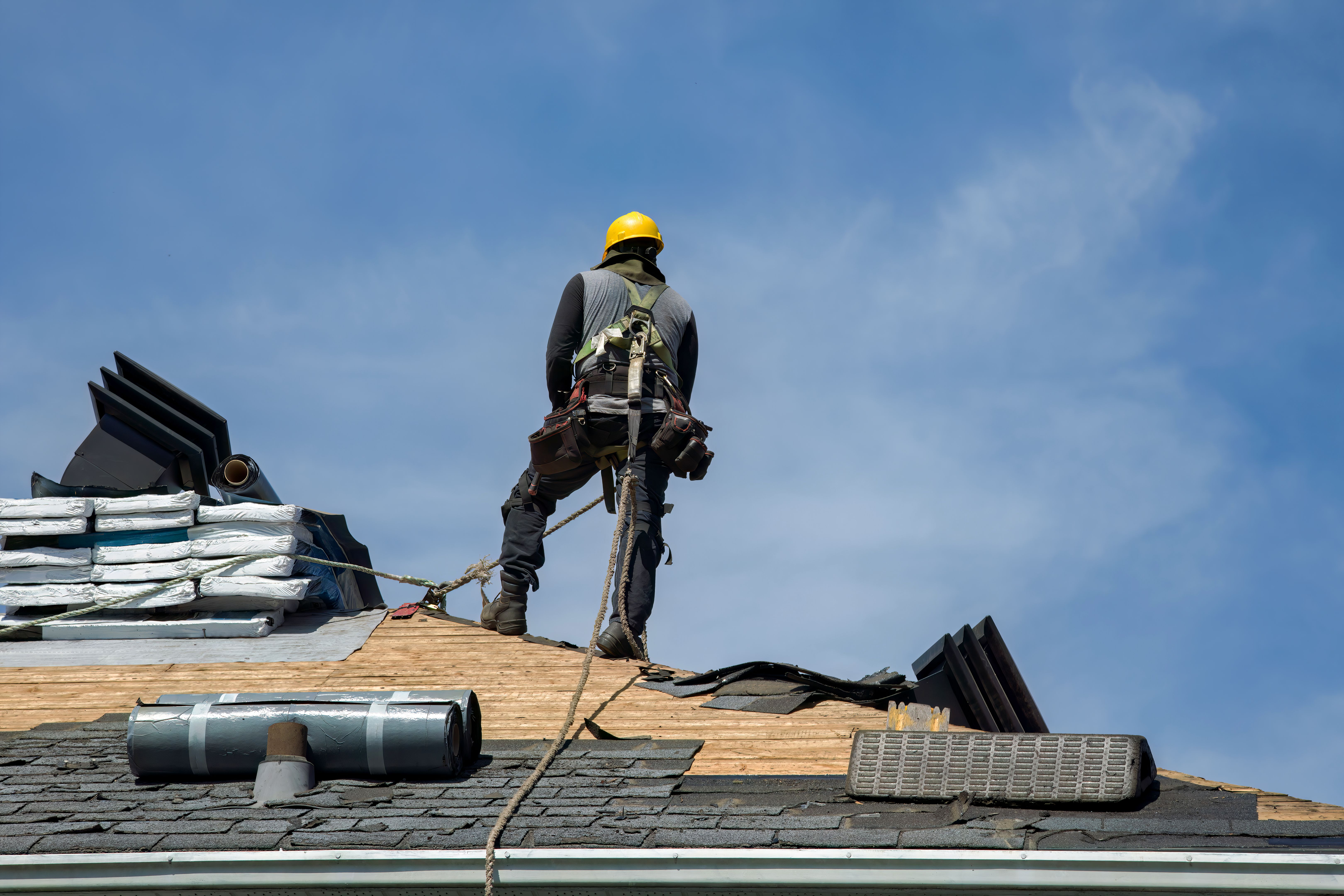
Inspect the roof for damaged or missing shingles, and repair any issues before winter sets in. This will help prevent water leaks and structural damage during heavy snowfall. Additionally, consider installing heat cables in areas prone to ice dams to further protect your property.
Sealing Windows and Doors
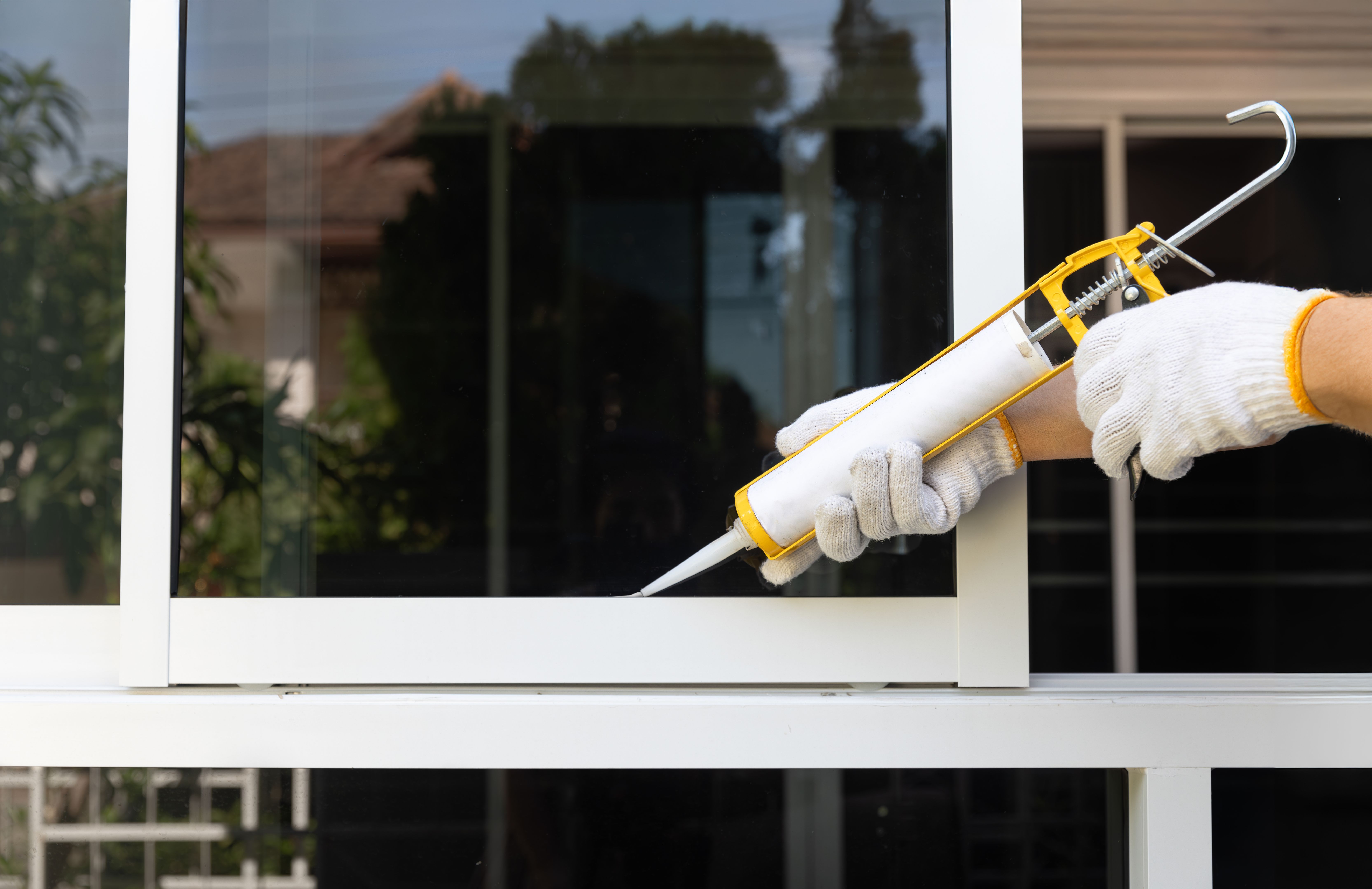
Drafty windows and doors can significantly increase heating costs and make living spaces uncomfortable. Apply weatherstripping around doors and windows to seal any gaps. Caulking can also be used to fill in cracks and prevent cold air from seeping inside.
Consider upgrading to double-pane windows if your property still has single-pane ones. This investment can improve energy efficiency and reduce heating bills, making your property more attractive to potential tenants.
Landscaping and Outdoor Preparations
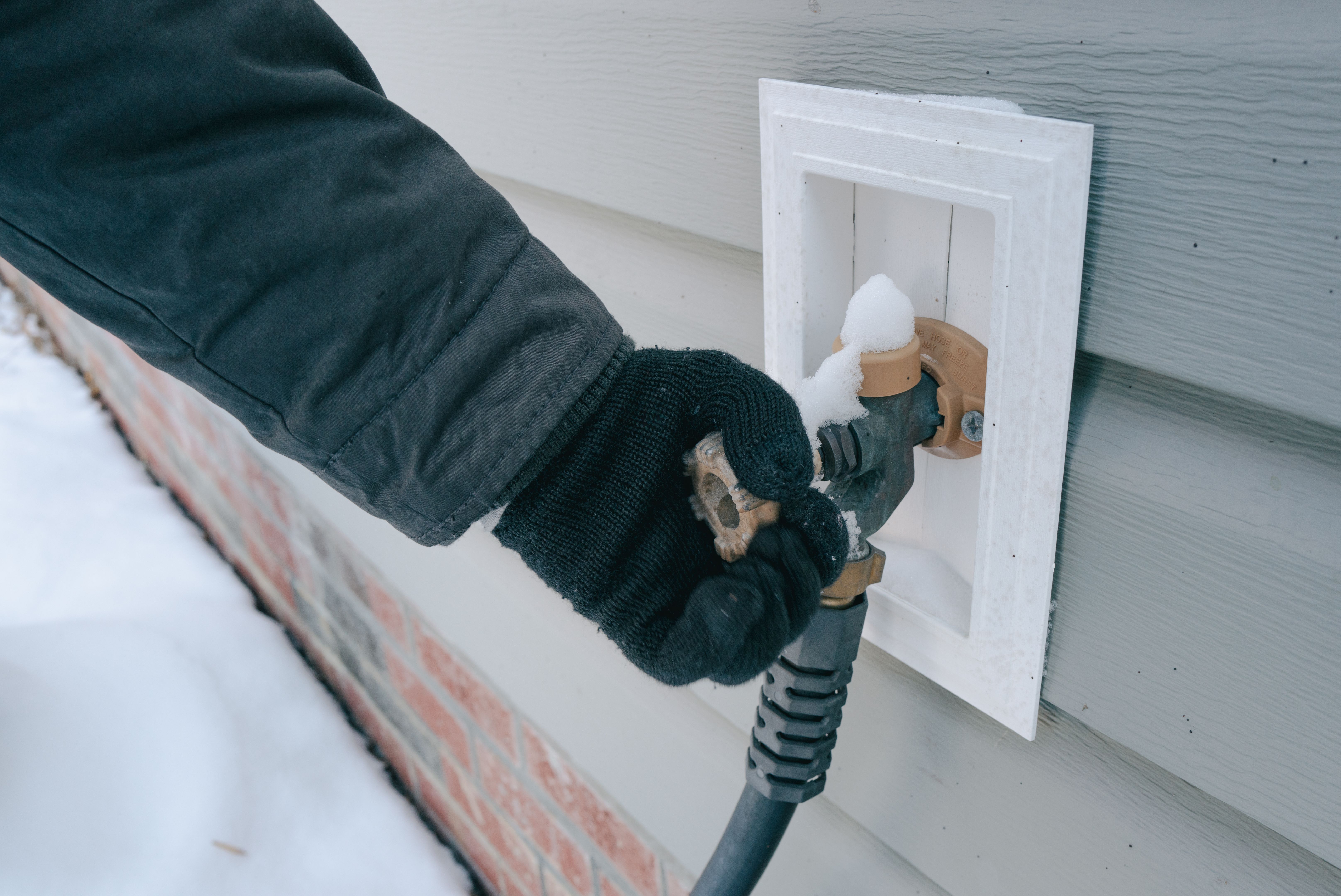
Don't forget about the exterior of your property. Trim overhanging branches that could break under the weight of snow and damage the roof or siding. Drain and shut off outdoor faucets to prevent freezing and potential pipe bursts.
Ensure that walkways and driveways are clear and accessible. Consider stocking up on ice melt and providing tenants with shovels or snow removal services to keep paths safe and clear.
By taking these steps, you can safeguard your investment property against Colorado's harsh winter conditions, ensuring it remains a safe and comfortable haven for your tenants.